

Is there a difference between bullying vs mean behaviour or being rude?
As parents and educators, our natural instinct is to protect our children from harm. When a child comes home crying because someone at school was unkind, our immediate reaction is often to label it as bullying. However, in modern pop culture and daily conversations, the word “bullying” is frequently overused to describe any negative peer interaction.
While all unkind behavior hurts, mislabeling an isolated incident can make it harder to address the root issue effectively.
To protect our children, we must first learn to accurately evaluate the context and situation.
Borrowing definitions popularized by children’s author Trudy Ludwig, here is how to identify whether a child is experiencing rude, mean, or bullying behavior – along with actionable steps to help them navigate these social challenges.
The Three Degrees of Peer Conflict
1. Rude Behaviour (Inadvertent Unkindness)
- What it is: A child inadvertently saying or doing something that hurts someone else.
- The Context: The behavior is unplanned, spontaneous, and usually driven by poor manners, thoughtlessness, or social immaturity. There is no intent to cause deep emotional or physical harm.
- Example: A child cuts in front of your kid in the lunch line or brags about their new shoes without realizing it makes others feel left out.
2. Mean Behaviour (Purposeful, One-Time Cruelty)
- What it is: When a child purposefully says or does something to hurt someone once or twice.
- The Context: The action is intentional and meant to inflict distress, but it is an isolated flashpoint—often fueled by anger, jealousy, or a temporary clash of personalities.
- Example: During a disagreement on the playground, a classmate snaps and says, “You’re so stupid, I don’t want to play with you today”.


3. Bullying Behaviour (Intentional, Repeated Aggression)
- What it is: Intentionally aggressive behavior that is repeated over time and involves an imbalance of power.
- The Context: This crosses the line into a chronic issue. The aggressor deliberately targets the same person repeatedly using an advantage in physical strength, popularity, or access to embarrassing information. The goal is to isolate, humiliate, or control the target.
- Example: A group of students systematically blocks a peer from sitting at their lunch table every single day, while spreading malicious rumors about them online and offline.
Actionable Steps for Parents and Educators
When a child experiences negative social behavior, use these strategies to guide them from a place of vulnerability to a position of strength.
For Parents: At-Home Strategies
- Unpack the timeline together: Ask your child, “Has this happened before, or is this the first time?” This immediately helps you differentiate between a single mean incident and a pattern of bullying.
- Practice aggressive positive self-talk: Bullies look for easy targets and often exploit areas where a child lacks confidence. Work with your child to replace internal negative thoughts with powerful, victory-focused mindsets like, “I am proud of myself for trying, and I will not give up”.
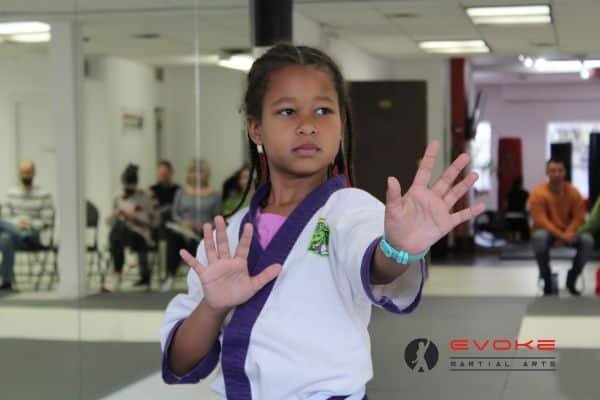
- Role-play assertive body language: Practice making direct eye contact, standing tall, and speaking in a calm, firm, and unbothered tone. Instruct them to look the aggressor in the eye, deliver a neutral boundary statement like “Stop doing that,” and walk away without checking for a reaction.
For Educators: Classroom Strategies
- Hold intentional classroom meetings: Do not wait for a conflict to erupt. Early in the school year, facilitate a structured group discussion explicitly defining the differences between normal peer conflict, mean behavior, and systemic bullying.
- Establish an unshakeable reporting protocol: Create a private, safe, and entirely anonymous way for students to report toxic behavior. Ensure students understand that reporting a safety or emotional issue is an act of courage, not “snitching.
- “Run proactive social role-play scenarios: Divide the classroom into small groups to practice real-world social scenarios. Train students on how to transform from passive bystanders into active upstanders who support a peer being targeted.
How Martial Arts Builds an Anti-Bullying Shield
At Evoke Martial Arts, we train children and teenagers to develop an unshakeable sense of self-worth that acts as a natural deterrent to bullies. Through our specialized youth and teen martial arts classes, students do not just learn physical self-defense; they cultivate emotional resilience and disciplined focus.
By learning to push through physical challenges on our mats, kids build a success-oriented mindset.
They realize that an unkind comment from a peer cannot change their inherent value. When a child carries themselves with the physical confidence, posture, and internal strength of a martial artist, they change how they interact with the world – making them far less likely to be targeted by bullies.
Related Posts


Achieve a leaner, stronger, and more alive body while developing amazing self protection skills.
Achieve a leaner, stronger, and more alive body while developing amazing self defense skills.
"Training at Evoke has been a truly wonderful experience. As an adult engaging in martial arts for the first time, the environment has been ideal. All of the instructors have been motivating, knowledgeable, and supportive. The classes offer a great workout and a chance to feel a little bit badass. I look forward to continuing the journey!"
 Caitlin H.| Hapkido member